



Schools Need Stability, Not Cuts: Congress Must Protect FY26 Education Funding
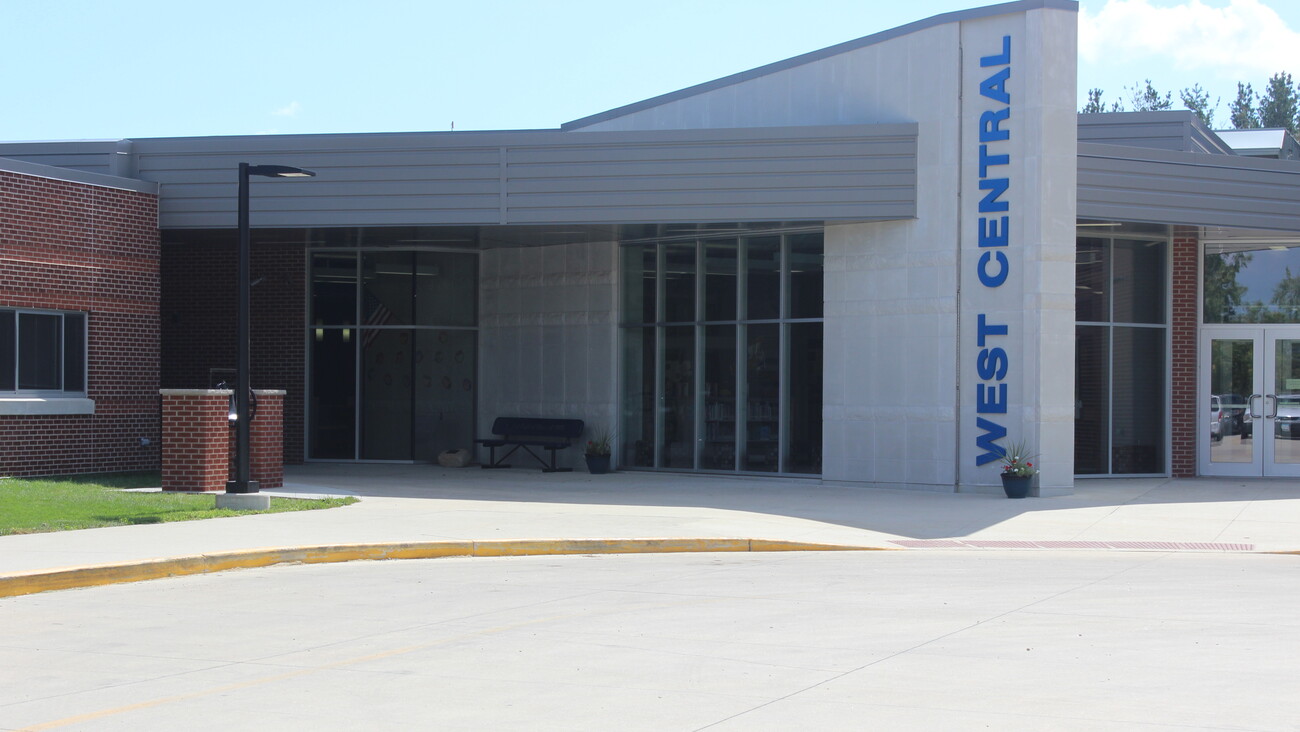
Recent reporting about the federal budget process underscores something those of us in public education know all too well: national debates in Washington have real consequences in our classrooms. As superintendent of West Central, serving approximately 300 students, with over 40% from low-socioeconomic backgrounds, I see the direct impact federal funding has on our students every day—and how harmful proposed cuts would be to our community.
This year, the stakes are unusually high. Competing FY26 funding proposals in Congress would take our schools in dramatically different directions. The House Appropriations Committee advanced a bill that slashes Title I by nearly $4 billion and eliminates foundational formula programs, such as Title II and Title III, altogether. These are not abstract numbers.
At West Central, Title I supports reading specialists and evidence-based interventions. Title II enables us to maintain smaller class sizes. Title IV ensures well-rounded learning opportunities through the fine arts.
A cut of this magnitude would require school leaders to make painful decisions. It could mean larger class sizes, less individual support, cuts to arts or STEM programs, and the loss of summer programming, among other things. At a time when students are working hard to recover academically and emotionally from the disruptions of recent years, these reductions could undermine the progress they have made.
Contrast this with the bipartisan proposal from the Senate, which takes a far more responsible approach: maintaining funding for core K–12 programs and directing the Administration to ensure these funds reach districts by July 1. This detail may seem technical, but its impact is enormous.
Last spring, districts across the country—including ours—built budgets based on federal funds that have historically arrived every July. When that schedule was disrupted, school systems were left wondering whether the dollars Congress had appropriated would ever materialize. No business, nonprofit, or local government could responsibly operate amid that level of instability—and neither can public schools. The Senate bill restores predictability, ensuring the decades-long Congressional schedule of funds being delivered on time by July 1.
Our community knows that student success is not accidental. It requires investment by teachers and staff, strong parental engagement, and financial resources for all our students.
Federal dollars make up a relatively small share of our budget, but they are often the most targeted, supporting students with the greatest needs. That’s why maintaining Title I, II, and III funding is not merely beneficial; it is essential.
This is not a partisan issue. It’s about ensuring that every child in every community has access to an excellent education and the opportunity to thrive and succeed.
I urge our elected officials in Congress to support the Senate’s bipartisan FY26 proposal and reject cuts that would harm students in Iowa. Our educators are working harder than ever. Our families depend on the services that our schools provide. And our children deserve a stable, well-funded education system so they can develop fundamental skills for real life, enabling them to reach their full potential.
The decisions made in Washington will shape what is possible in classrooms here at home next fall. I hope our representatives choose to invest in the future of our community—and most importantly in the future of our children.
Please contact Representative Ashley Hinson, Senator Joni Ernst, and Senator Chuck Grassley and ask them to support public school funding.
Your Partner in Education,
Rob Busch, Superintendent